Home › Learning Center › Sprinklers 101
Learning Center
Sprinklers 101: the ABCs of irrigation
Everything a homeowner needs to understand their sprinkler system, in plain English.
Popular:
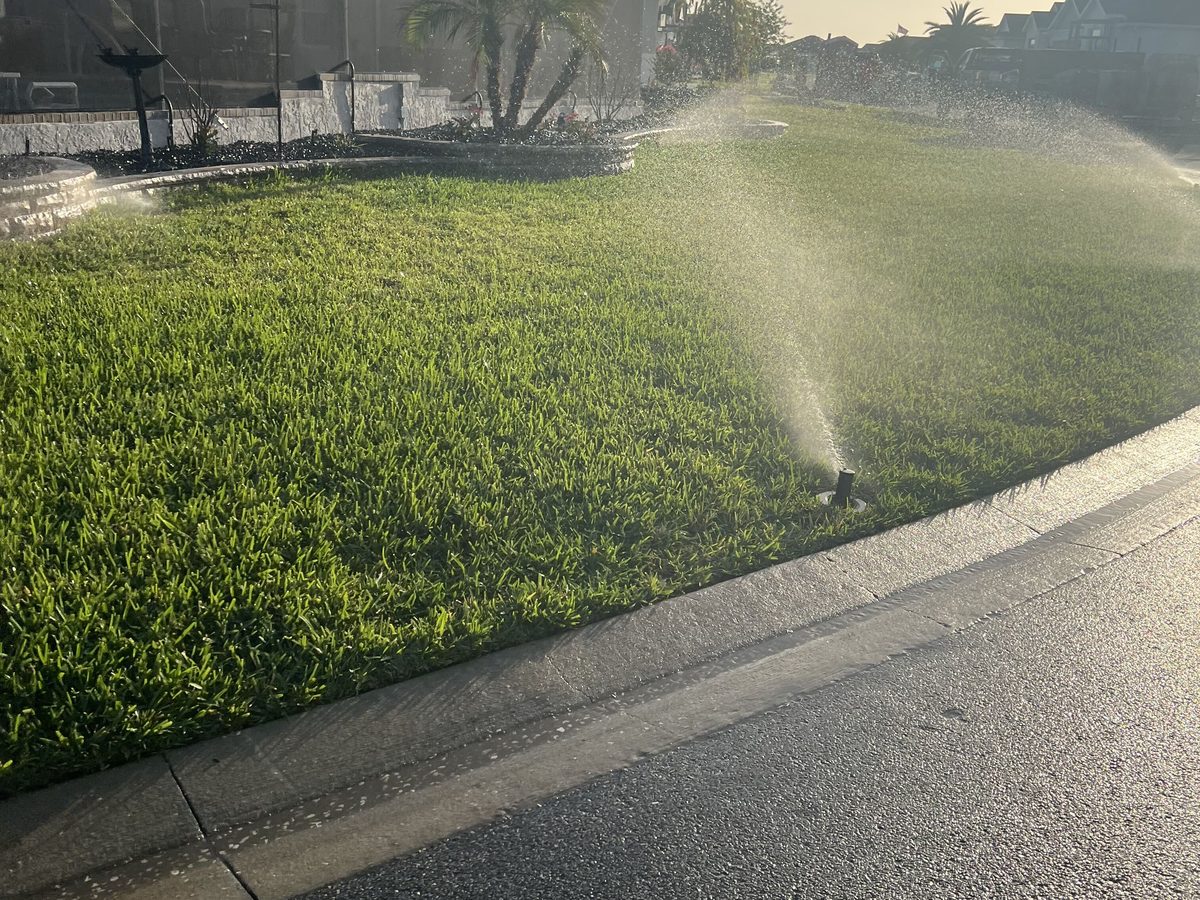
Part 1
How your system works
How an irrigation system works
Water comes from your city line, a well, a pond or canal, or a reclaimed water line. It flows through a backflow preventer (on drinking water) to a set of valves. The controller opens one valve at a time, and that valve sends water to one group of sprinkler heads.
What a zone is
A zone is a group of heads that run together from one valve. Lawns are split into zones because there isn't enough water pressure to run every head at once. Sprays and rotors are kept on separate zones because they put down water at very different rates.
Controller and timer basics
The controller is the brain. It decides which days the system runs, when it starts and how long each zone runs. Most have a program (A, B, C), start times, run times per zone, and watering days.
Start times vs. run times
This trips up almost everyone. A start time is when the whole program begins. A run time is how long each zone runs. You usually need only one start time. Extra start times run every zone again, which can double or triple your watering.
Valves and solenoids
Each zone has a valve, usually buried in a green box. The solenoid on top is the electric part that opens it when the controller sends power. A zone that won't turn on, or won't turn off, is often a valve or solenoid problem.
Spray heads vs. rotors
Spray heads put out a fixed fan of water and cover small areas, up to about 15 feet. Rotors turn slowly and throw a stream much farther, which suits larger lawns. Rotors need longer run times than sprays.
Nozzles
The nozzle on top of the head sets the pattern and distance. Clogged or mismatched nozzles cause dry spots. High-efficiency nozzles like Hunter MP Rotators apply water slowly to reduce runoff.
Rain sensors
A rain sensor stops the system from running after a good rain. Florida law requires a working rain shutoff device on automatic sprinkler systems. Smart controllers can do the same job using local weather data.
Pumps and pump-start relays
Systems that draw from a well, pond or canal use a pump. The pump-start relay lets the controller turn the pump on with each zone. If the pump won't start, the relay is a common cause.
Filters
Well and canal water carries sand and debris that clogs nozzles and valves. A filter on the supply line keeps that out of the system.
Part 2
Water, pressure & common problems
Reclaimed and non-potable water
Purple pipes, valve boxes and heads mean reclaimed or non-potable water. It is safe for lawns but not for drinking. Reclaimed water often has different watering rules than drinking water.
Understanding pressure
Too little pressure and heads won't pop up or reach. Too much and sprays mist and drift. Pressure regulation keeps heads working the way they were designed to.
Common causes of low pressure
A broken pipe or head on the zone, a valve not fully opening, a clogged filter, too many heads on one zone, or a struggling pump.
Why sprinkler heads leak
Worn wiper seals, debris in the head, a cracked body, or a low head draining the zone after it shuts off.
Why sprinkler heads stay up
Usually dirt or grass in the head, a worn seal, or a valve that isn't fully closing and keeps a little pressure on the zone.
Why one zone may not work
A bad solenoid, a cut or corroded wire, a stuck valve, or a problem on that station of the controller.
Seasonal controller adjustments
Florida lawns need more water in late spring and summer and much less in winter. Use your controller's seasonal adjust (or water budget) to turn run times down in the cool months.
How much water a Florida lawn needs
Most established lawns do well with about ½ to ¾ inch of water each time you irrigate, applied only when the lawn shows signs of needing it. See our Florida watering guide.
Signs of overwatering
Soggy or squishy areas, mushrooms, algae on sidewalks, runoff into the street, and fungus in the lawn.
Signs of underwatering
Grass blades folding in half, a blue-gray color, footprints that stay pressed in, and dry patches near the edges of a zone.
Free quote
Need help with your sprinkler system?
Send us a few details and we'll call you back, usually the same business day.
- Price before any work starts
- Family owned in Tavares
- 5.0 from 100+ Google reviews